Candidates
Candidates Announced for Te Pīhopa o Te Hui Amorangi ki Te Waipounamu
Two candidates have been chosen to stand before the Electoral College on 17–18 April 2026
Following the Electoral College process approved by Te Rūnanganui o Te Pīhopatanga o Aotearoa, the following have been duly nominated by recognised rohe as candidates for the Electoral College:
The Venerable Hannah Pomare
The Venerable Susan Wallace
These candidates are confirmed as provisionally approved pending completion of all vetting and screening requirements.
The Electoral College will take place on Friday 17th and Saturday 18th April at Te Tōimairangi, Christchurch. More details about the Electoral College will be announced in due course.
Meet the Candidates
View the candidate profiles below to learn about their backgrounds and ministry experience.
We hold these candidates and the communities of Te Waipounamu in our prayers as we approach the Electoral College gathering.
Candidate Profiles
Ven. Hannah Pomare
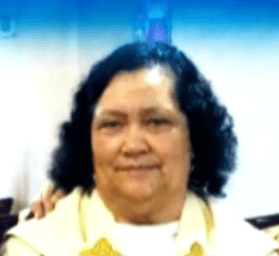
Short bio
Ven. Hannah Pomare is of Ngāi Tahu, Te Whānau a Apanui, Ngāi Tai, Whakatōhea, Ngāti Whātua, Ngāpuhi, Te Rarawa and Ngāti Hine descent.
Read full bio →
Full Biography
Ven. Hannah was licensed as a Kaikarakia in 1998, ordained as a deacon in 2000 and priested in 2001 by Bishop Ben Te Haara into Te Hui Amorangi ki Te Tai Tokerau. She has held ministry positions including Priest in Charge roles in Te Taitokerau, Te Waipounamu and Australia.
Ven. Hannah graduated from St John’s Theological College in 2001 with a Bachelor of Theology and also holds a Diploma in Business (Māori Development), Certificates in Management for Health Professionals, Māori Studies, Leadership Development, Ministry Supervision and an Advanced Certificate in Chaplaincy.
With an extensive background in social services, working with community and whānau, church and iwi health organisations in Te Taitokerau, Te Waipounamu and Australia, Ven. Hannah has developed a range of skills and experience from the grassroots to manangement and governance levels.
Ven. Hannah has served Te Hui Amorangi ki Te Taitokerau and Te Hui Amorangi ki Te Waipounamu at General Synod, and Te Rūnanganui, and Te Waipounamu on Te Rūnanga Whāiti.
Archdeacon Hannah has also served on the Boards of Trustees of schools, Māori Public Health and Iwi organisations.
Ven. Susan Wallace
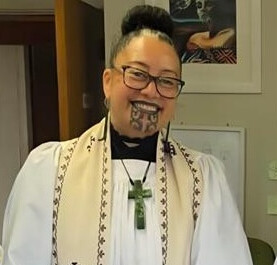
Short bio
Ven. Susan Wallace is of Kāi Tahu, Ngāti Tama, Ngāti Rārua, Ngāti Apa, Waitaha, Kāti Māmoe, Ngāpuhi, Ngāti Wai, Ngāti Hine, Ngāti Whātua, Te Roroa, Ngāti Wairere, Ngāti Ruanui and Ngāti Maniapoto descent.
Read full bio →
Full Biography
Ven. Susan has a long record of service to the hāhi, and many years of leadership across church, iwi, education and community settings. After decades of faithful lay ministry in Te Waipounamu, she was ordained Archdeacon and Poutokomanawa of Te Hui Amorangi ki Te Waipounamu in 2023, made deacon in March 2024, and ordained a priest in September that same year.
Ven. Susan holds a Leaders Way Certificate from Yale School of Divinity, Berkeley, and a Bachelor of Applied Management in Māori Organisation Leadership from Otago Polytechnic.
Her professional background includes a wide range of management and governance roles, including 15 years as General Manager of Te Rūnanga o Makaawhio.
Her service to the Church has been broad and significant. She has represented Te Hui Amorangi ki Te Waipounamu at General Synod, Te Rūnanganui and Te Rūnanga Whāiti, and has contributed to a number of boards and commissions across our Three Tikanga Church, including Te Korowai.
Ven. Susan currently serves as the non-Episcopal Commissary of Te Hui Amorangi ki Te Waipounamu, and also works as Manahautū and Educational Director.
Ngā tukanga a Te Rūnanga Tohu o Te Hui Amorangi ki Te Waipounamu
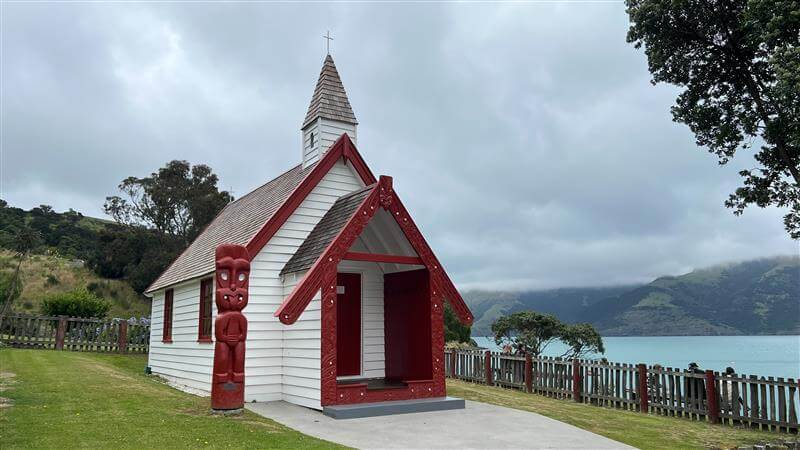
Historical Context
Te Pīhopa o Aotearoa, The Most Reverend Dr Don Tamihere, has formally given notice of a vacancy for the role of Te Pīhopa o Te Hui Amorangi ki Te Waipounamu. As a result, Te Hui Amorangi ki Te Waipounamu now enters an electoral process to discern and elect their new Pīhopa.
Here you will find resources including timelines, articles explaining the process, and the official notice of vacancy from te Pīhopa o Aotearoa.
Following a period of lament and thanksgiving for the life and ministry of the late Bishop Richard Wallace who passed away in January 2024, an electoral process begins.
The Electoral College will be held in the South Island on 17 and 18 April 2026.
The Electoral College process will be overseen by Archbishop Don, with support from an Arrangements Committee, in accordance with a process unanimously approved by Te Rūnanganui o Te Pīhopatanga o Aotearoa at its December 2025 meeting.
Te Hui Amorangi ki Te Waipounamu is the episcopal heart of Māori Christian mission and ministry across the South Island, the Chatham Islands, and Rakiura, Stewart Island. It was established in 1992 following the adoption of Te Pouhere, the revised constitution, and as a constituent body of Te Rūnanganui o Te Pīhopatanga o Aotearoa. The Office of Pīhopa o Te Hui Amorangi ki Te Waipounamu, however, was not created until 1996.
Further information and resources about the process, including how candidates may be nominated for consideration by the Electoral College, will be made available over the next four months.
Resources
Nomination, Screening & Vetting Form
The Nomination, Screening and Vetting form is now open for submissions. Nominations must be made using this form and meet all the required criteria.
On the form you will find the nomination criteria, including:
- Vetting and Screening requirements with links to third party forms
- Required documents, including a curriculum vitae with a statement of calling, an endorsement letter, a letter of good standing, a letter of support from the nominating group, and a signed letter of agreement from the candidate
- Estimated costs for vetting and screening
Nominations will be accepted from 9:00am, February 23 until 5:00pm, March 4, 2026.
Nomination, Screening & Vetting Form
Karakia & Gospel Reflections
A three-week call to prayer and reflection from 2-22 February 2026, invites the Church to gather in karakia as Te Hui Amorangi o Te Waipounamu undertakes the sacred task of discerning a new pīhopa. Spanning the Sundays of 8, 15, and 22 February, Archbishop Don Tamihere offers karakia, scripture readings, and short reflections to support prayerful reflection, and trust in the guidance of the Holy Spirit throughout this season.
He Aratohunga Pīhopa
A Guide to Episcopal Ministry in Te Hāhi Mihinare handbook
Electoral Process Timeline at a Glance
2 – 22 February 2026
Call to Time of Prayer & Reflection
Three weeks of prayer and reflection to support collective discernment. Scripture readings, karakia, and reflections will be made available.
9 February 2026
Nomination & Screening Forms Available
A key change requires nominations to come from local and regional groupings within Te Hui Amorangi ki Te Waipounamu. Nominating groups may plan screening criteria in advance, but cannot submit nominations at this stage.
23 February 2026
Formal Call for Nominations
Submissions are open
5pm 4 March 2026
Nominations Close
Nominations close with a hard deadline of 5pm and must include all the information requested.
5 – 26 March 2026
Vetting and Screening Process
Three-week vetting and screening process by a sub-committee. This does not replace the role of the Electoral College.
27 March 2026
Candidates Publicly Announced. Electoral College Membership Confirmed.
17 – 18 April 2026
Electoral College Convenes
The Electoral College discerns confirmed nominees and elect a new Pīhopa ki Te Waipounamu.
6 – 7 June 2026
Ordination / Installation (dates TBC)
Read Relevant Articles
Kahui Pīhopa
Formal Call for Nominations for Te Pīhopa o Te Hui Amorangi ki Te Waipounamu
23 February 2026
Kei a Ihowā o nga mano te mana, te tapu, te ihi, me te wehi; kei tō tātou Atua e kaha nei ki te mahi i ngā mea nui whakaharahara,...
Leadership
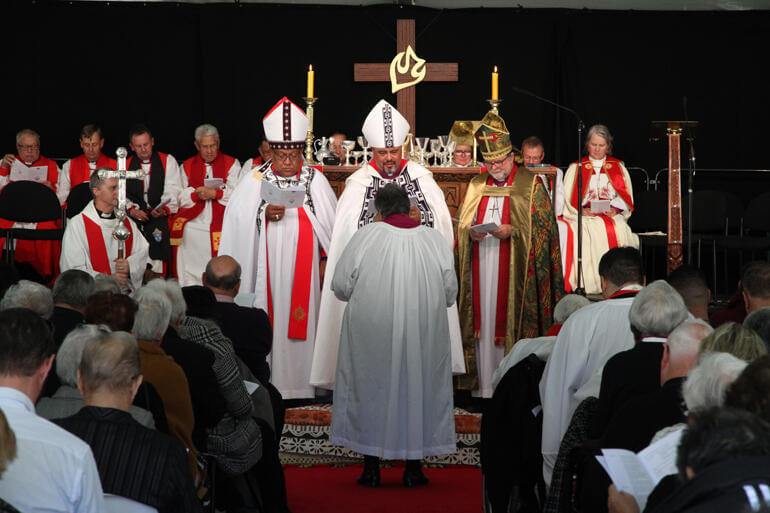
How a Bishop will be Chosen: Inside the Sacred Electoral Process
16 January 2026
The election of a Pīhopa is no mere formality; it is a sacred act of discernment, a communal search for God’s will.
Leadership
Official Notice of Vacancy for Bishop of Te Hui Amorangi ki Te Waipounamu
16 January 2026
Tioro! Tioro! Ka tīorooro ki te rangi e tū nei, ka tīorooro ki te whenua e hora nei, ka tīorooro ki ngā taringa o te katoa.
Leadership
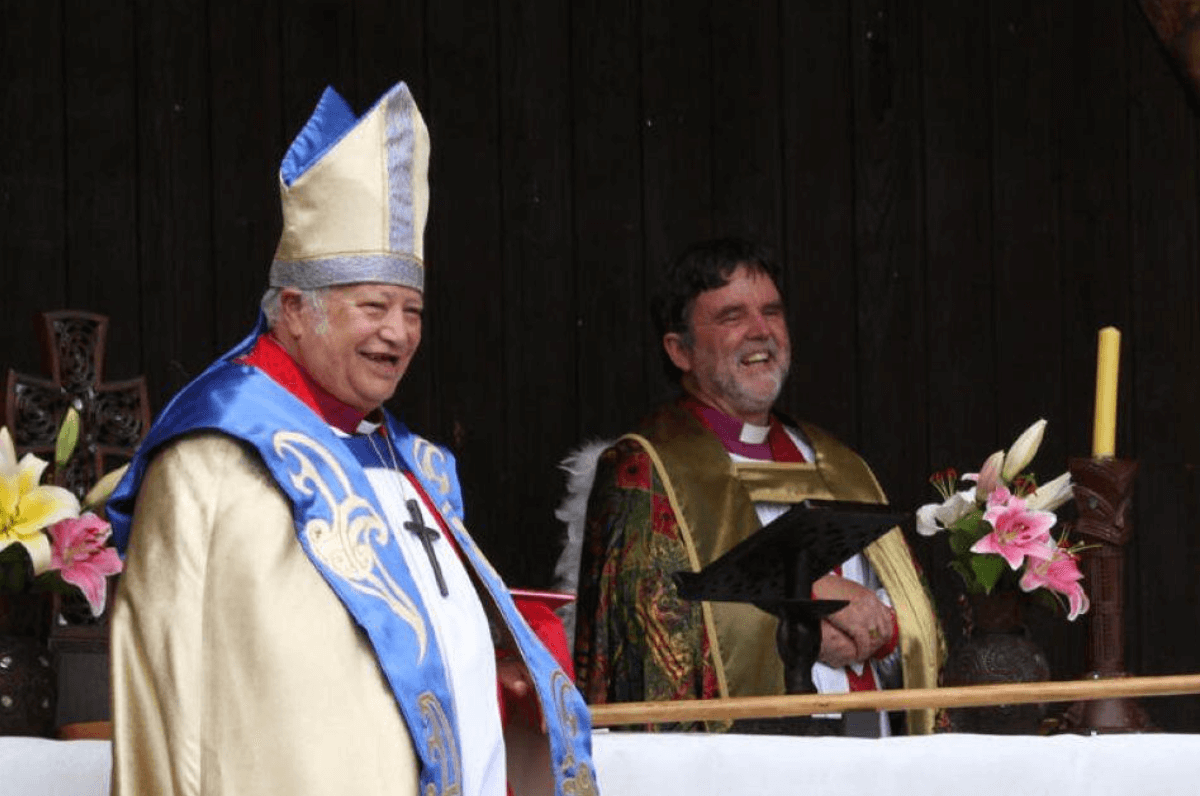
Bishop Richard Wallace, a servant of, for and by Te Waipounamu
15 January 2026
Bishop Richard Wallace at his ordination held at Ōnuku Marae in 2016 Te Hui Amorangi o Te Waipounamu is in the process of electing a Bishop to fill the role left by the sudden passing of the Right...
Understanding the Role of Pīhopa
The Calling of a Pīhopa
The calling of a pīhopa is a response to the voice of te Atua, recognised and affirmed by the Hāhi. It is a call to serve through oversight, teaching, pastoral care, and faithful leadership in the way of the Rongopai. This calling builds on their earlier journey in baptism and ordained ministry as a deacon and priest and deepens their lifelong commitment to serve te Atua and the people.
The Order and the Office
Te Pouhere (the Constitution) describes two related but different things: the Order of Pīhopa and the Office of Pīhopa. The Order is the lifelong identity and spiritual authority given through ordination. The Office is the specific leadership role to care for a hui amorangi or other episcopal area. The Order is permanent; the Office is held for a time and carries responsibility for governance, pastoral care, and mission.
The Order of Pīhopa
The Order of Pīhopa is one of the three orders of ordained ministry through which the Hāhi continues in the apostolic faith: rīkona (deacon), pirihi (presbyter or priest), and pīhopa (bishop). A pīhopa enters this order through prayer and the laying on of hands by other pīhopa, receiving authority to serve the whole Church, not just one hui amorangi. When a pīhopa retires or steps down, they remain part of the Order.
The Office of Pīhopa
The Office of Pīhopa is a specific commission to lead and oversee a hui amorangi. It involves caring for doctrine, worship, discipline, and ministry; preaching and teaching the Rongopai; and presiding at Te Hākari Tapu, confirmations, and ordinations. The pīhopa also leads in synods and councils to strengthen unity and the oranga ake of the Church. When a pīhopa retires, moves, or resigns, they leave that office but remain within the Order of Pīhopa.
Ngā tukanga a Te Rūnanga Tohu o Te Hui Amorangi ki Te Waipounamu

A New Zealand Prayer Book/He Karakia Mihinare o Aotearoa sets out both the spiritual character and practical responsibilities of the episcopate:
Bishops are sent to lead by their example
in the total ministry and mission of the Church.
They are to be Christ’s shepherds
in seeking out and caring for those in need.
They are to heal and reconcile,
uphold justice and strive for peace.
Bishops are to exercise godly leadership
in that part of the Church committed to their care,
and to maintain wise discipline within its fellowship.
The Church looks to them to promote peace and unity
among all God’s people,
and to encourage their obedience to God’s word.
They are to keep the Church true to its faith,
as found in Scripture and the Creeds,
to teach this faith and proclaim it.
Bishops are to ensure that an episcopal ministry is maintained.
They are to ordain, send forth and care for the Church’s pastors,
and to preside over its worshipping life.9
9 Ordination of Bishops’ liturgy, A New Zealand Prayer Book – He Karakia Mihinare o Aotearoa
Nomination Process (Closed)
Nomination Process (Closed)
Archbishop Don Tamihere, Commissary for the electoral college, issued a formal call for nominations, inviting Te Waipounamu into a moment of solemn responsibility, thanksgiving and joy.
All nominations were required to be submitted using the official forms and meet the stated requirements.
Who Could Nominate
Nominations were made collectively through recognised local and regional groupings within Te Hui Amorangi ki Te Waipounamu, with evidence of shared discernment and agreement. The groupings were:
- Whakatū
- Te Arapai (Blenheim)
- Motueka
- Ōtautahi
- Te Toko Toru Tapu (Arowhenua)
- Ōtepoti
- Murihiku
Requirements
Nominees were required to begin and complete the vetting and screening process, with proof of payment before nominations closed. All required documentation had to be uploaded in full.
Timeline
Nominations were open from 9am Monday 23 February 2026 and closed 5pm Wednesday 4 March 2026.
Call for Nominations Closed
Call for Nominations Closed
The formal call for nominations for Te Pīhopa o Te Hui Amorangi ki Te Waipounamu closed at 5pm Wednesday, 4 March 2026.
Nominees are currently undergoing vetting and screening. Candidates who successfully complete all requirements will be announced on Friday, 27 March 2026.
Please read the formal call for nominations from Archbishop Don for context and background information.