Electoral College for Te Hui Amorangi ki Te Manawa o Te Wheke
ELECTORAL COLLEGE PROCESS
This page documents the Electoral College process for Te Hui Amorangi ki Te Manawa o Te Wheke in 2026. Below you’ll find the key announcements and timeline for this process. For all official announcements about the Electoral College process, visit the Official Announcements page.
Formal Confirmation of Candidates
1 October 2026
Following our earlier provisional confirmation of candidates sent on September 11, 2026, we can now confirm that the vetting and screening process for this Electoral College has been formally completed.
At its meeting in December 2025, Te Rūnanganui o Te Pīhopatanga o Aotearoa approved and adopted a more stringent process for vetting and screening candidates.
Having completed this process we can report that all candidates have successfully passed:
- Vetting by the New Zealand Police;
- Professional medical assessment and psychological testing;
- Independent forensic assessment of online activity; and
- Independent assessment as safe for ministry by Kooyoora – a professional standards and safeguarding body operating across Aotearoa New Zealand and Australia, including the independent management and oversight of ministry complaints processes and investigations.
On that basis, we are pleased to formally confirm the following candidates for presentation to the Electoral College:
The Reverend Vianney Douglas
The Reverend Canon Dr. Robert Kereopa
The Venerable Ngira Simmonds
Meet the Candidates
View the candidate profiles below to learn about their backgrounds and ministry experience.
We hold these candidates and the communities of Te Manawa o Te Wheke in our prayers as we approach the Electoral College gathering.
The Rev. Vianney Douglas
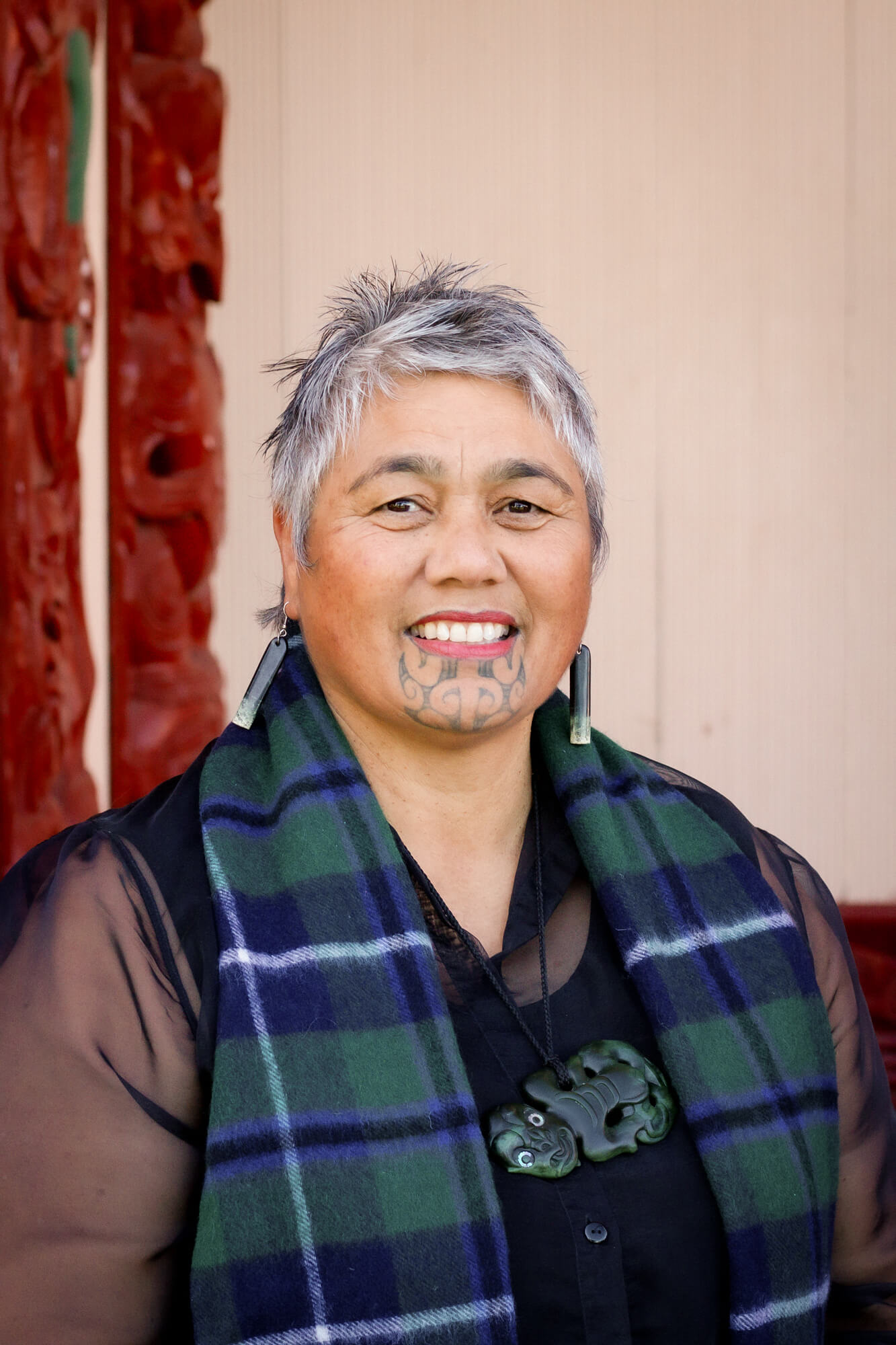
Short bio
He uri tēnei o Ngāti Whakaue, Ngāti Rangiwewehi, Tūhourangi, Ngāti Porou, Ngāti Ranginui, Ngāti Raukawa, Ngāpuhi, me Ngāti Hine.
She is married to Pierre Henare, and together they have four children and six mokopuna.
Read full bio →
Rev. Vianney Douglas is an experienced educator, church leader, and community advocate who is dedicated to serving God, Te Hāhi Mihinare o Aotearoa, and Māori
communities with more than thirty years of leadership experience across education, public service, Māori land trust, governance, and ministry.
Vianney began her service to Te Hāhi Mihinare as a Sunday School teacher in Wharekahika (Hicks Bay) thirty years ago under the guidance of Nēni Rev. Raunikau Stainton. She now serves as Priest in Charge of All Saints, Tauranga Moana, and contributes to a range of church governance and mission bodies, including the Anglican Missions Board, Te Rūnanganui o Te Pīhopa o Aotearoa, General Synod, and Te Manawa o Te Wheke Amorangi Whāiti.
She has also served on conservation, health, housing, and community sporting and development boards, reflecting her longstanding commitment to governance and community service.
Vianney is currently employed as Manager, Integrated Services for the Ministry of Education in Tauranga, leading education, curriculum, and learning support services.
In this role, she works with school principals, boards and other agencies where the expectations of government, community and whānau must be considered and
balanced with the diverse needs of the students.
This often requires managing conflict and differing expectations which she has been able to manage successfully.
Vianney’s career has also included leadership roles as principal, teacher, policy analyst, environmental resource manager, and corporate services manager. A
substantial amount of her teaching took place in small rural communities teaching in Kura Kaupapa Māori. These roles demonstrate her broad range of experience and her strong focus on culturally responsive services for Māori.
Vianney has a life-long commitment to learning. She holds a Master of Educational Leadership with First Class Honours, a Bachelor of Social Work, teaching and
postgraduate qualifications, and in 2025 completed a Diploma for Graduates in Christian Thought and History through the University of Otago.
Vianney is passionate about examining the relationship between Māori tikanga and whakaaro and how these worldviews deepen understanding of the life, ministry, and ongoing relevance of Jesus Christ in contemporary Māori contexts.
Vianney attributes her ability to serve her ministry and complete her studies due to the gift of her husband and his unconditional support for her.
Rev. Vianney Douglas offers her capabilities, strengths and experience in response to God’s call to serve. She is committed to servant leadership that nurtures communities to flourish, strengthens the mission of the Church, and supports future generations.
The Rev. Cn. Dr. Robert Kereopa
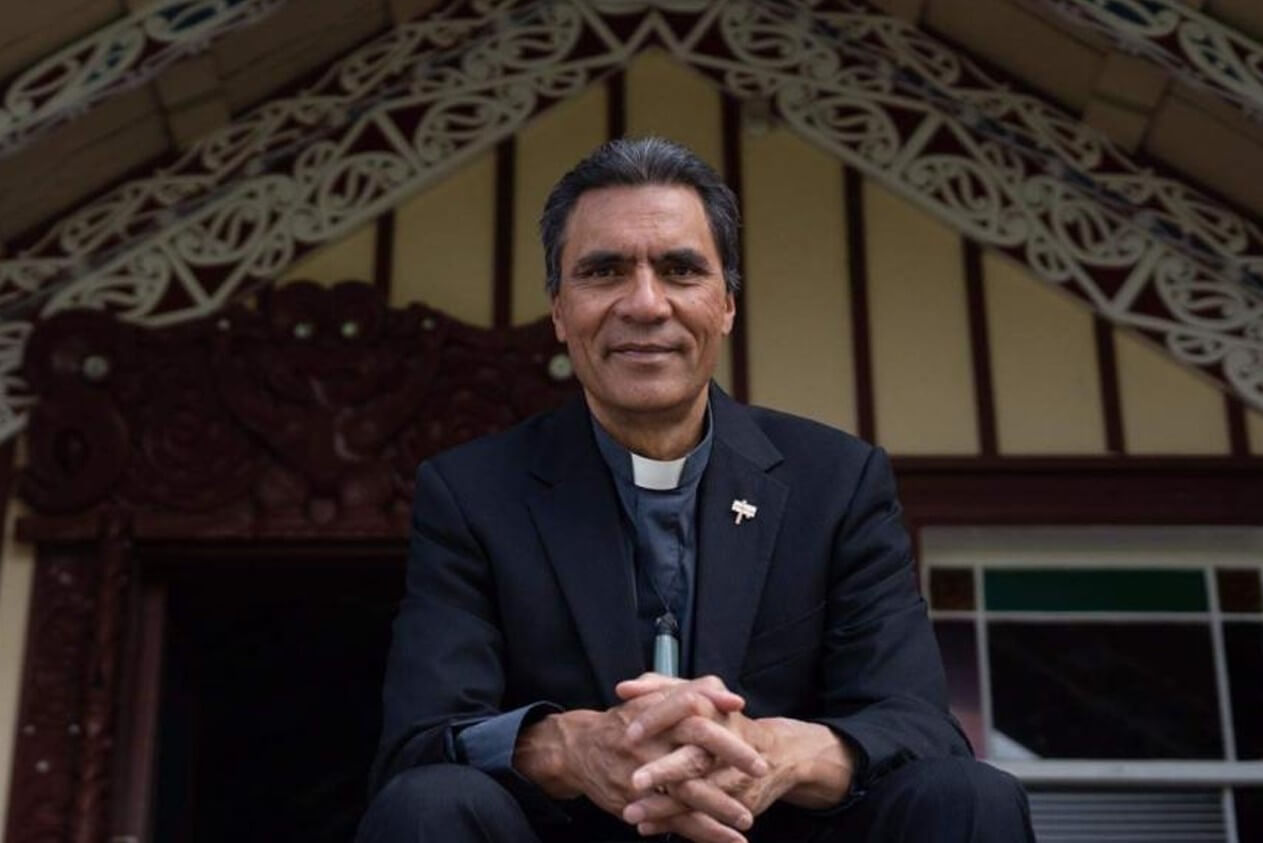
Short bio
The Reverend Canon Doctor Robert Kereopa is a Māori Anglican priest, theologian and leader whose
distinguished career has brought together whakapapa, professional achievement, Māori Christian
leadership and international mission.
Read full bio →
Robert’s whakapapa connects him to Ngāti Tūwharetoa, Te Arawa and Tainui. He grew up in Taupo, immersed in his Tuwharetoa mother’s staunch Catholic faith, into which he was baptised, and connected to his father’s Te Arawa whakapapa in the Anglican church in Ohinemutu and Whakarewarewa.
His strong connection to Rotorua, Taupō and the central North Island has been an important foundation for his ministry and understanding of vocation.
His academic achievements reflect a lifelong commitment to learning and leadership. He was Dux of
Tongariro High School in 1974, completed a Bachelor of Engineering through the University of Auckland in 1980 with the honour of a Ngarimu VC Scholarship, and gained a Master of Management (Hons) through the University of Waikato in 1987. His commitment to theological education continued throughout his ministry, culminating in a Doctor of Ministry in 2024 through the Pacific School of Religion, Berkeley (USA).
Robert’s contribution to Māori Anglican leadership formally began when he was ordained Deacon in 1996 and Priest in 1997. At this time he began his role as Kaihautū (Principal and Dean of Studies) of Te Tāpapa o Te Manawa o Te Wheke under Archbishop Whakahuihui Vercoe.
Through this work he contributed to the formation of Māori Anglican leaders and supported a theological environment where Māori language, tikanga, culture and Christian faith could be integrated.
His commitment not only to tertiary but also primary and secondary education was also evidenced in his founding of the Lake Taupo Christian School in 1993 and continued work as chair of the Trust Board.
Robert also served Chief Executive Officer of the Anglican Missions Board (AMB) 2003-2020. In this
role he led the overseas mission work of the Anglican Church in Aotearoa, New Zealand and Polynesia and developed relationships with churches and mission partners in over forty countries across the Anglican Communion.
During his leadership, Anglican Missions supported theological education, community development, humanitarian assistance, disaster response and health and mission initiatives throughout the Pacific and beyond.
Robert placed particular emphasis on
partnership, local leadership and sustainable community development, as well as local and global Indigenous partnership and mission.
More locally he supported the institution of the Tikanga Māori Missions Council under the AMB to resource Māori led Mission initiatives including those in Australia and the Anglican Indigenous Network (AIN).
More recently Robert has been back home in Taupo working with his Iwi both as Minita-a-Iwi and as
Chair of the Tuwharetoa Health Board.
Robert lives with his wife Rachel. Together they have four children and eight mokopuna.
Robert has served as the Vicar of Taupo since 2022 and has been in diocesan leadership as Vicar General of the Diocese of Waiapu since 2024.
His life and extensive career have brought together the disciplines of Engineering, Management, Governance, Theology, Tikanga and Matauranga Maori and church leadership. These experiences have enabled him to contribute both strategically and pastorally to the life of the Anglican Church locally, nationally and throughout the world.
His continuing connection with Taupō and Rotorua reflects the importance of place, whanau and whakapapa within his life and ministry and has grounded his broader work in strengthening Tino Rangatiratanga – in all its fullness – within the Church and extending Te Pihopatanga’s relationships throughout the Anglican Communion.
The Ven. Ngira Simmonds
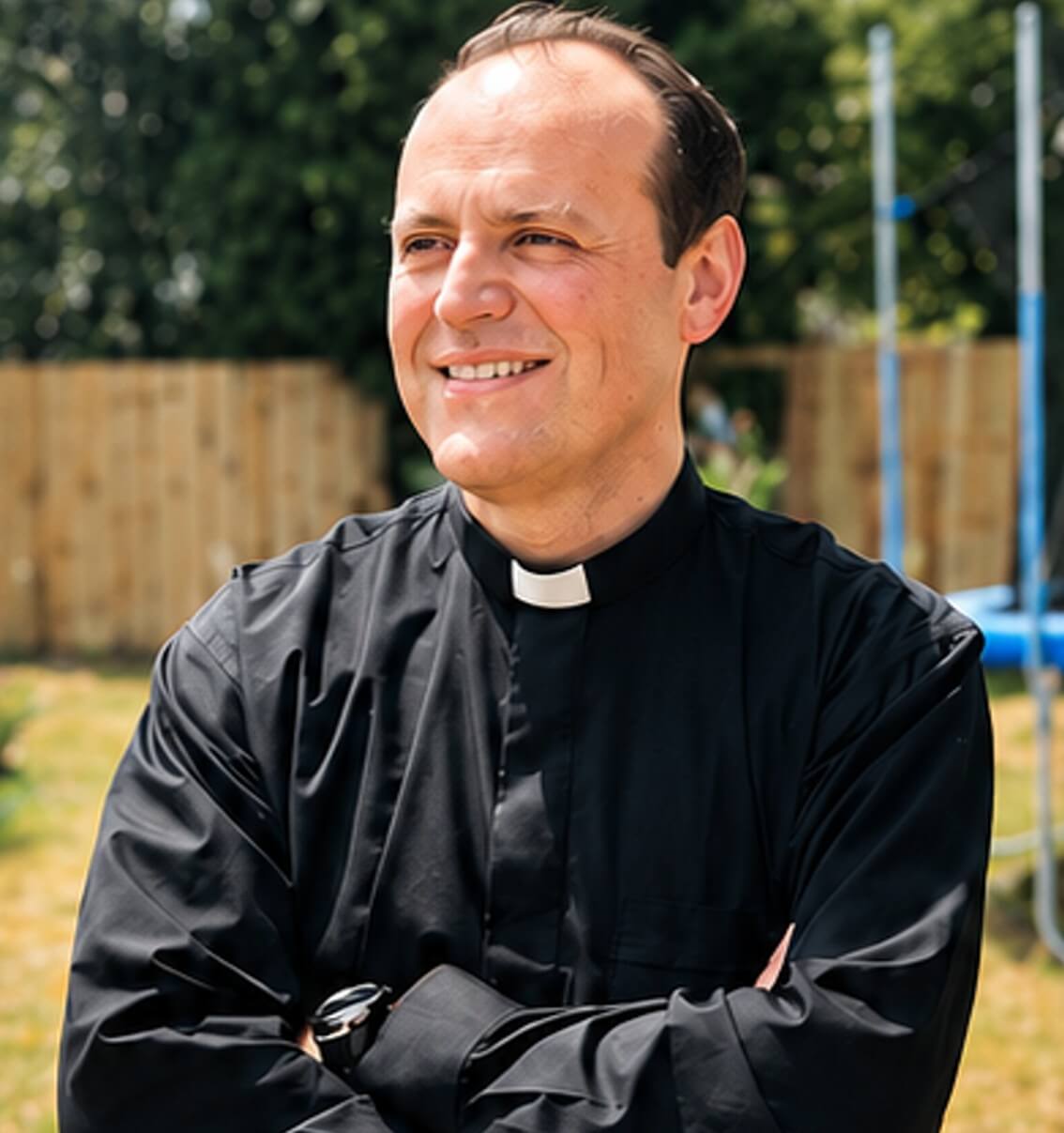
Short bio
Archdeacon Ngira Simmonds is a priest of Te Manawa o Te Wheke with twenty years of ordained and licensed ministry.
Read full bio →
He currently serves as Kaihautü — Director Strategic Māori Partnerships at Waipä District Council and as a Crown-appointed member of the Social Security Appeal Authority.
He has previously served as Te Rangatiki — Chief of Staff and Private Secretary to the Kiingitanga, Archdeacon to the Kiingitanga and Chaplain by Royal Warrant, Manutaki — Director of Mission and Education, Waikato Māori Missioner and Interim Amorangi Manager.
His ministry and leadership have spanned parish life, theological education, governance, iwi leadership, public service and executive management.
He is the Kaahui Ariki representative on Te Arataura, the tribal executive of Waikato Tainui, of which he is also the deputy chair. He is a member of Pūhara Mana Tangata – the Chief Ombudsman’s Māori Advisory Board. He sits on the board of a number of Trusts, including the General Church Trust Board (Deputy Chair), Community Waikato Trust (Chair), Te Manawa o Te Wheke Trust Board, Pikitu Marae, Hamilton Christian Night Shelter and is a member of General Synod Te Hīnota Whānui.
He holds a Bachelor of Theology and a Diploma of Anglican Studies and is working towards a Master of Business Administration, which he expects to complete in 2027.
“The Hui Amorangi has formed and shaped me over many years. Many of my teachers, who have now gone, were with us here in times gone by. I am offering myself in service to the place that has always been my home: Te Manawa o Te Wheke.”
Ngā tukanga a Te Rūnanga Tohu o Te Hui Amorangi ki Te Waipounamu
Historical Context
An electoral process in currently underway to discern who God is calling as the next Pīhopa (bishop) for Te Hui Amorangi ki Te Manawa o Te Wheke.
Here you will find resources including timelines, articles explaining the process, and the official notices from Te Pīhopa o Aotearoa, the Most Reverend Dr Don Tamihere.
Clergy and laity of Te Manawa o Te Wheke will discern together with Te Wairua Tapu over the next four months a formal call to prayer, formal call for nominations, vetting process, candidate announcement and electoral college on 2nd and 3rd October 2026.
Te Manawa o Te Wheke
Following 19 years of episcopal ministry for Te Hui Amorangi ki Te Manawa o Te Wheke, The Right Reverend Ngarahu Katene resigned from office in 2025.
Te Hui Amorangi ki Te Manawa o Te Wheke is the episcopal heart of Māori Christian mission and ministry across the Central North Island, from Tuakau in the north, across to Hauraki and the Coromandel Peninsula, down into the Waikato and King Country, across to Tūrangi, Taupō into Rotorua and out to the Bay of Plenty from Tauranga Moana all the way to Pōtikirua at the tip of the East Coast.
Te Hui Amorangi ki Te Manawa o Te Wheke encompasses many iwi, waka, maunga, awa and other significant landmarks. It also includes Tūrangawaewae Marae, the seat of the Kiingitanga – and Te Kāhui Ariki o Te Wherowhero, as well as te Whare Ariki o Te Heuheu – the house of Te Heuheu in Ngāti Tūwharetoa.
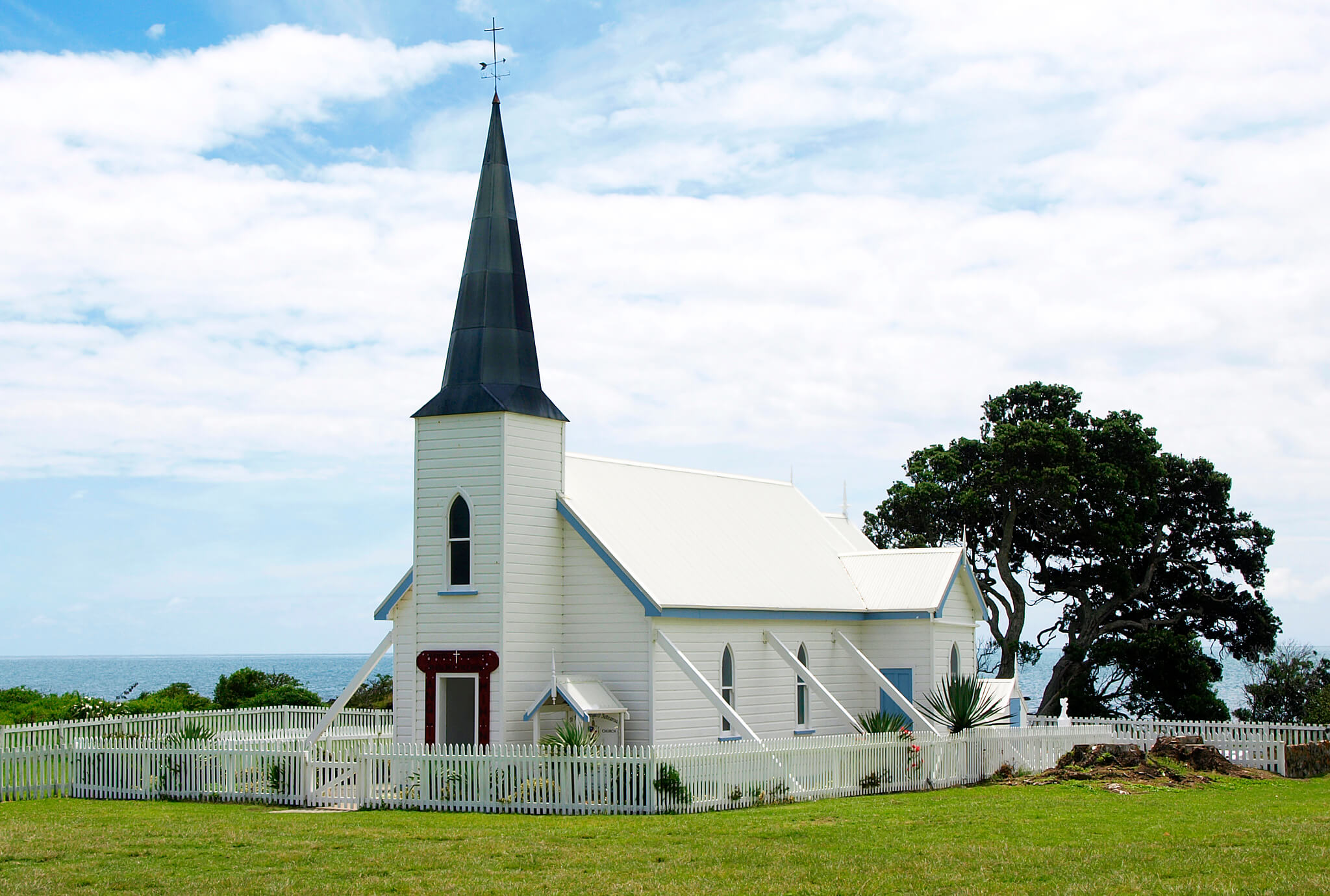
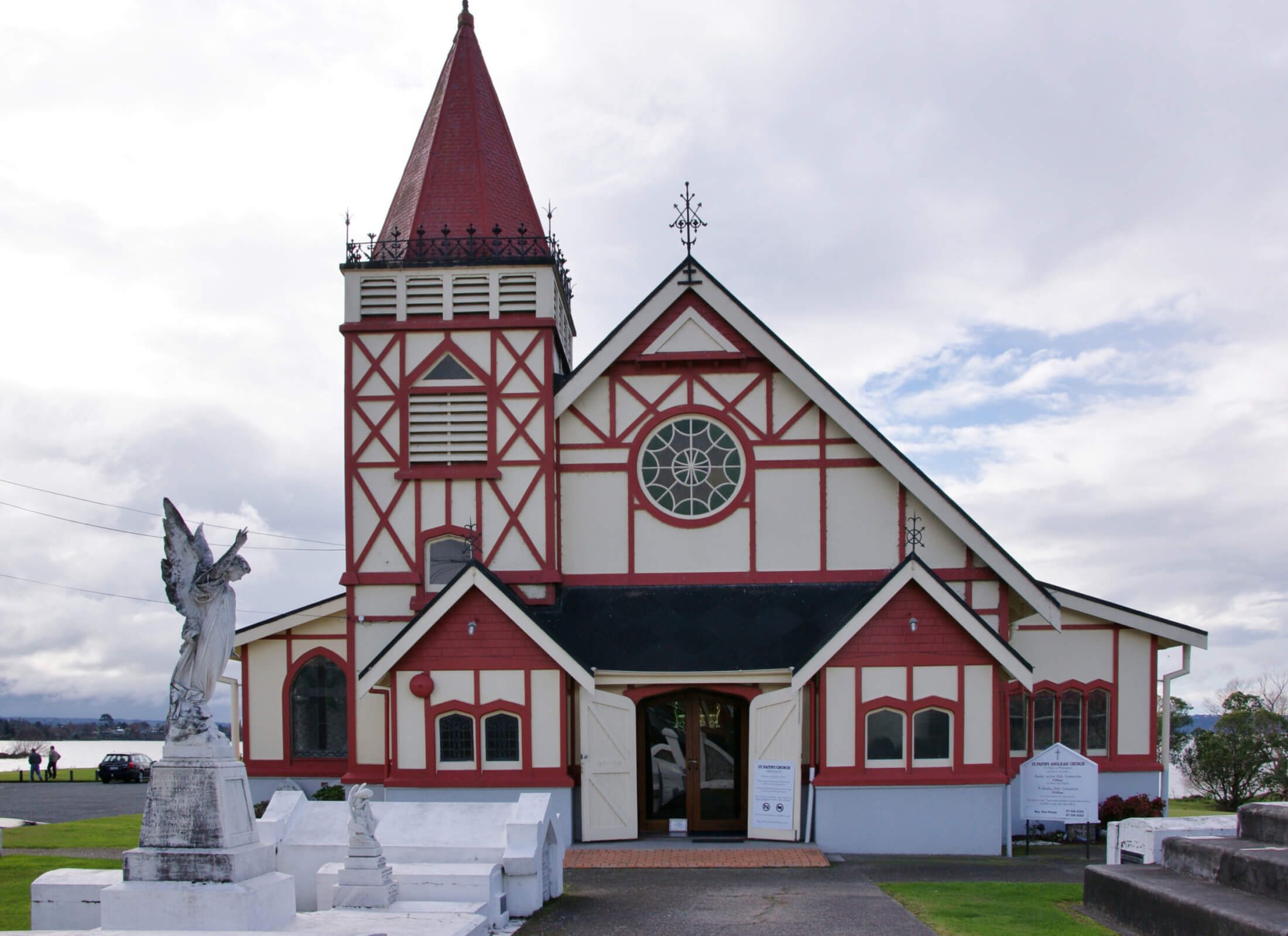
It has some of the most iconic – and most recognisable – whare karakia in Aotearoa, such as St Faith’s at Ōhinemutu, Rotorua, and Christ Church, Raukokore, at the eastern most reaches of the Hui Amorangi.
It was established in 1992 following the adoption of Te Pouhere, the revised constitution, and is a constituent body of Te Rūnanganui o Te Pīhopatanga o Aotearoa.
The first Pīhopa ki Te Hui Amorangi ki Te Manawa o Te Wheke was the Most Reverend Whakahuihui Vercoe, the 4th Pīhopa o Aotearoa, Archbishop and Primate of New Zealand. Upon his retirement in 2006, Bishop Ngarahu became the first elected Bishop of Te Manawa o Te Wheke, a role he dutifully held for 18 years.
Further information and resources about the process, including how candidates may be nominated for consideration by the Electoral College, will be made available in due course.
Resources
Call For Nominations – Closed
The opportunity to submit formal nomination of candidates to be considered for the role of Te Pīhopa o Te Hui Amorangi ki Te Manawa o Te Wheke has now closed.
Nominations that have been submitted will now undergo a period of vetting and screening. This process does not replace the Electoral College which will take place in October.
An announcement will be in due course of successful Candidates who will enter the Electoral College.
Karakia & Gospel Reflections
A three-week call to prayer and reflection from 20 July to 9 August 2026, invited the Church to gather in karakia as Te Hui Amorangi ki Te Manawa o Te Wheke undertakes the sacred task of discerning a new pīhopa.
Spanning the Sundays of 26 Jul, 2 & 9 Aug, Archbishop Don Tamihere offers karakia, scripture readings, and short reflections to support prayerful reflection, and trust in the guidance of the Holy Spirit throughout this season.
Electoral Process Timeline at a Glance
1 July 2026
Formal Notice of Vacancy
20 July – 9 August 2026
Call to Time of Prayer & Reflection
Three weeks of prayer and reflection to support collective discernment. Scripture readings, karakia, and reflections will be made available.
27 July 2026
Nomination & Screening Forms Available
A key change requires nominations to come from local and regional groupings within Te Hui Amorangi ki Te Manawa o Te Wheke. Nominating groups may plan screening criteria in advance, but cannot submit nominations at this stage.
9am 10 August 2026
Formal Call for Nominations
Submissions are open
5pm 19 August 2026
Nominations Close
Nominations close with a hard deadline of 5pm and must include all the information requested.
20 August – 10 September 2026
Vetting and Screening Process
Three-week vetting and screening process by a sub-committee. This does not replace the role of the Electoral College.
11 Spetember 2026
Candidates Publicly Announced. Electoral College Membership Confirmed.
2 – 3 October 2026
Electoral College Convenes
The Electoral College discerns confirmed nominees and elect a new Pīhopa ki Te Manawa o te Wheke.
TBC
Ordination / Installation (dates TBC)
Understanding the Role of Pīhopa
The Calling of a Pīhopa
The calling of a pīhopa is a response to the voice of te Atua, recognised and affirmed by the Hāhi. It is a call to serve through oversight, teaching, pastoral care, and faithful leadership in the way of the Rongopai. This calling builds on their earlier journey in baptism and ordained ministry as a deacon and priest and deepens their lifelong commitment to serve te Atua and the people.
The Order and the Office
Te Pouhere (the Constitution) describes two related but different things: the Order of Pīhopa and the Office of Pīhopa. The Order is the lifelong identity and spiritual authority given through ordination. The Office is the specific leadership role to care for a hui amorangi or other episcopal area. The Order is permanent; the Office is held for a time and carries responsibility for governance, pastoral care, and mission.
The Order of Pīhopa
The Order of Pīhopa is one of the three orders of ordained ministry through which the Hāhi continues in the apostolic faith: rīkona (deacon), pirihi (presbyter or priest), and pīhopa (bishop). A pīhopa enters this order through prayer and the laying on of hands by other pīhopa, receiving authority to serve the whole Church, not just one hui amorangi. When a pīhopa retires or steps down, they remain part of the Order.
The Office of Pīhopa
The Office of Pīhopa is a specific commission to lead and oversee a hui amorangi. It involves caring for doctrine, worship, discipline, and ministry; preaching and teaching the Rongopai; and presiding at Te Hākari Tapu, confirmations, and ordinations. The pīhopa also leads in synods and councils to strengthen unity and the oranga ake of the Church. When a pīhopa retires, moves, or resigns, they leave that office but remain within the Order of Pīhopa.
Ngā tukanga a Te Rūnanga Tohu o Te Hui Amorangi ki Te Waipounamu
A New Zealand Prayer Book/He Karakia Mihinare o Aotearoa sets out both the spiritual character and practical responsibilities of the episcopate:
Bishops are sent to lead by their example
in the total ministry and mission of the Church.
They are to be Christ’s shepherds
in seeking out and caring for those in need.
They are to heal and reconcile,
uphold justice and strive for peace.
Bishops are to exercise godly leadership
in that part of the Church committed to their care,
and to maintain wise discipline within its fellowship.
The Church looks to them to promote peace and unity
among all God’s people,
and to encourage their obedience to God’s word.
They are to keep the Church true to its faith,
as found in Scripture and the Creeds,
to teach this faith and proclaim it.
Bishops are to ensure that an episcopal ministry is maintained.
They are to ordain, send forth and care for the Church’s pastors,
and to preside over its worshipping life.9